


 Casa /
Desempenho do redutor de engrenagens cónicos: Como o contato com equipamentos e a qualidade de fabricação importam
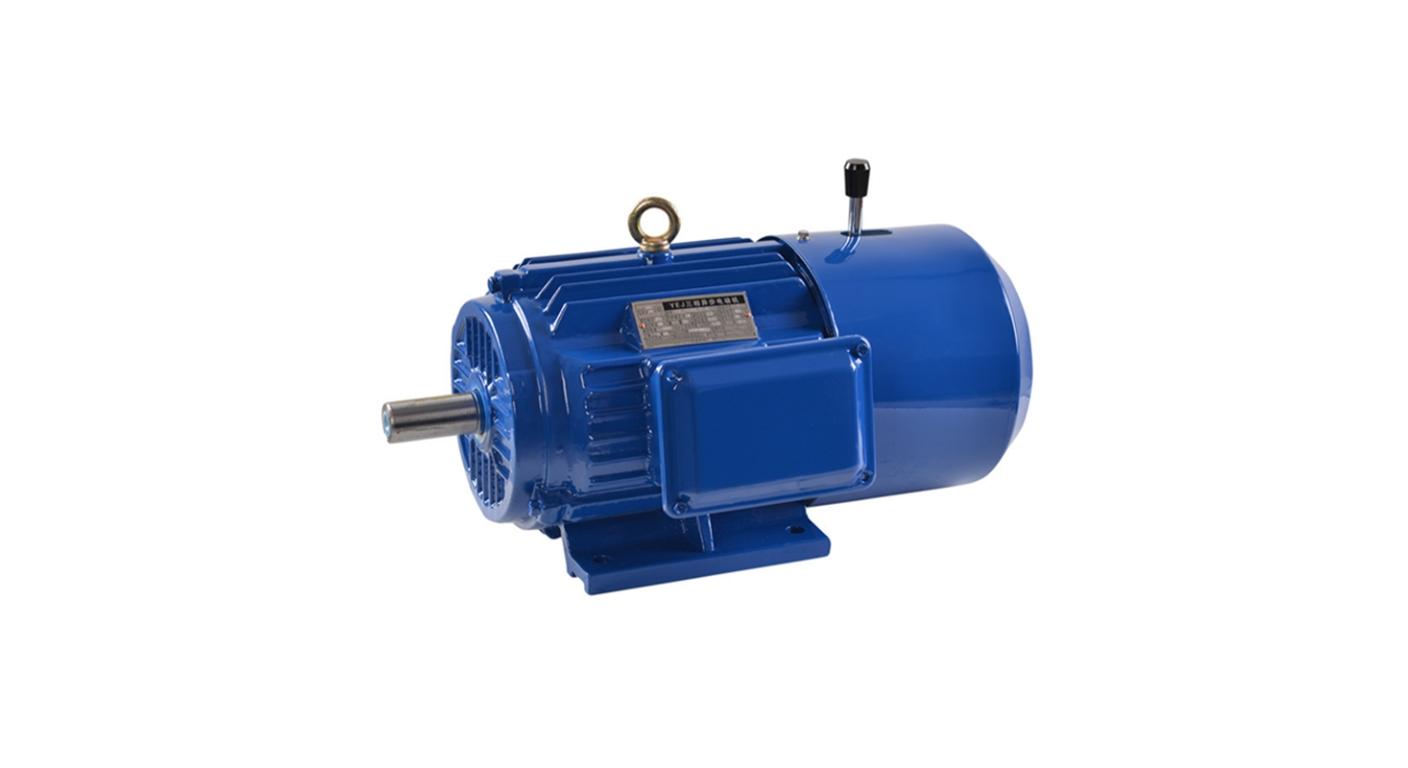
Motor Engrenado em Ângulo Reto: Alimentação Elétrica Correspondente, Velocidade Variável e Frena
26 de outubro, 2026
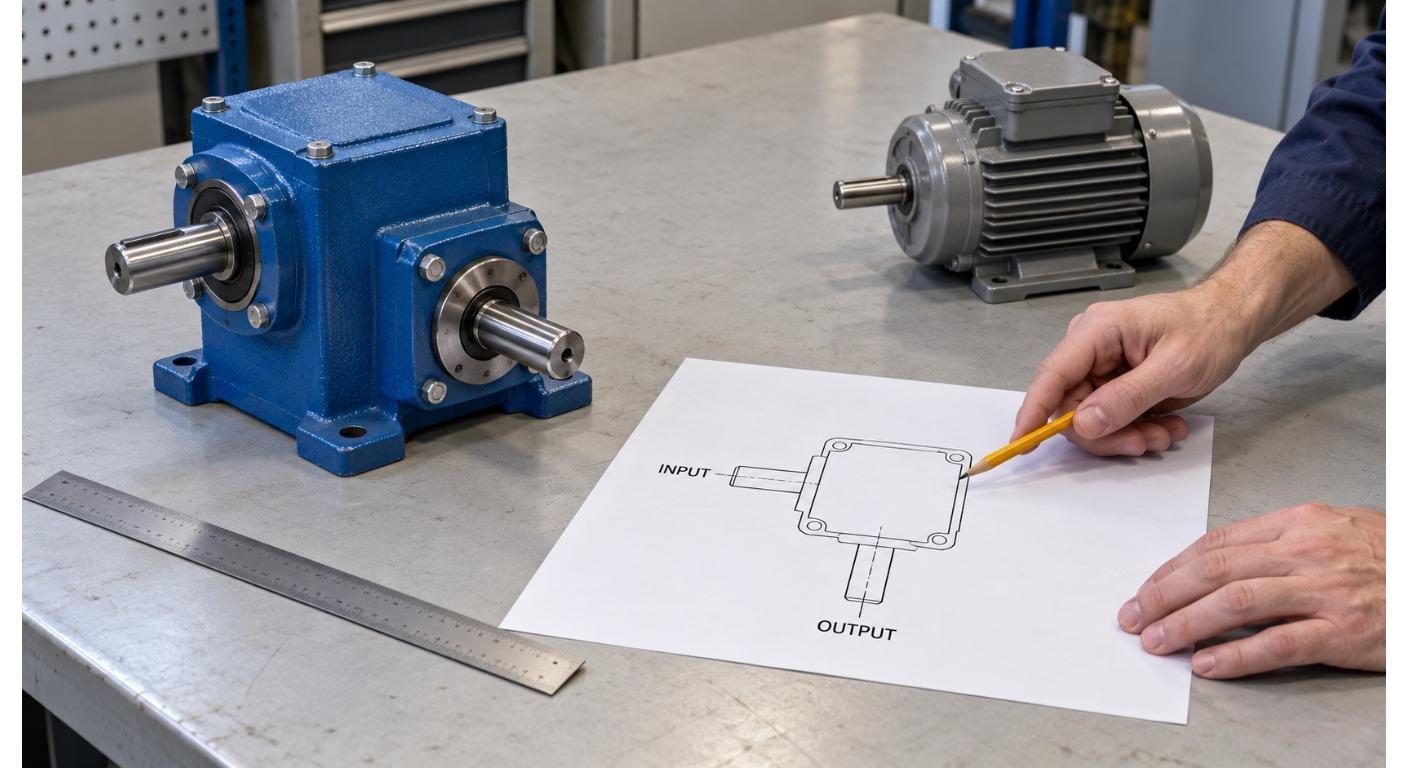
Planejando uma instalação de redutor de bisel: Torne os requisitos do eixo para um layout prático de transmissão
26 de outubro, 2026
Escolha de uma caixa de engrenagens de guindaste aéreo pela função de içamento ou deslocamento
26 de outubro, 2026
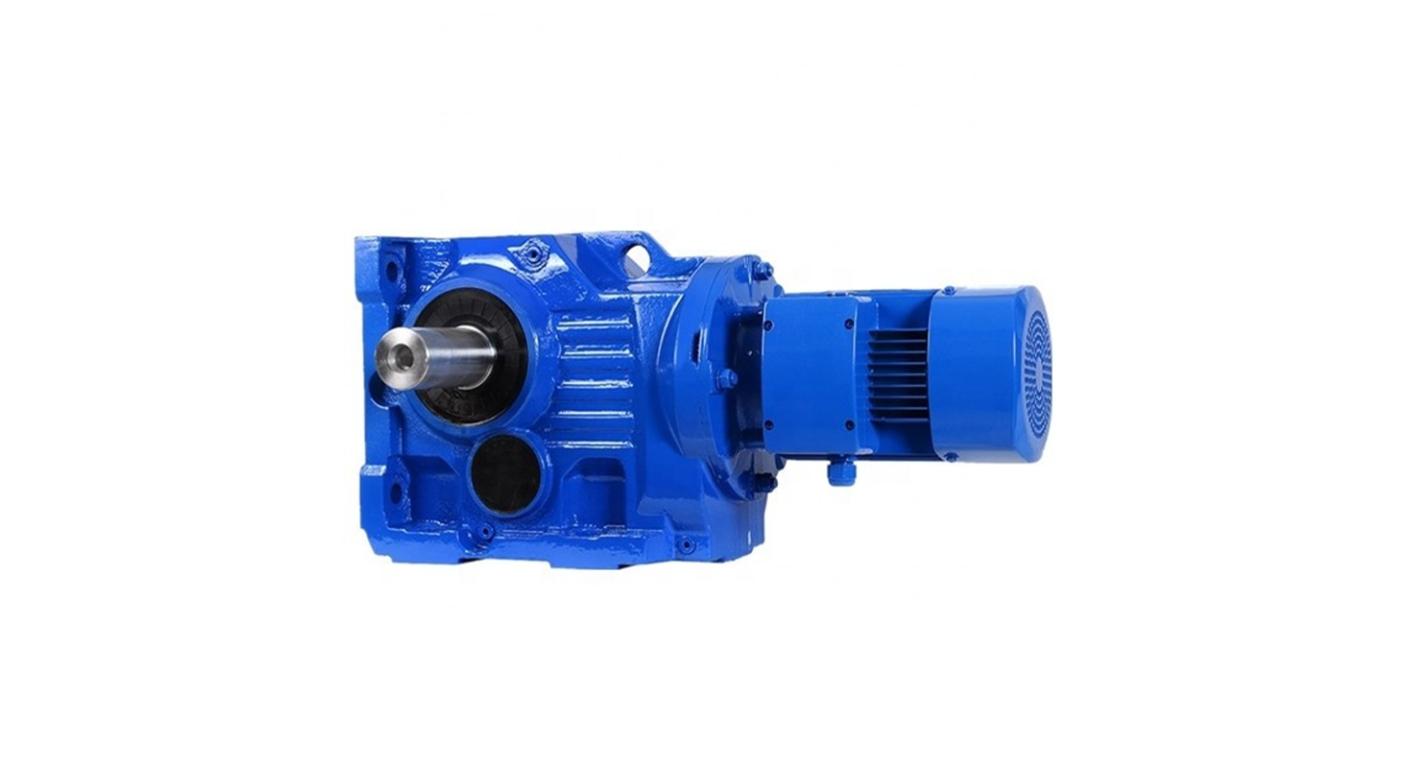
Substituindo uma caixa de engrenagens de rosca para a indústria: O que manter e o que reavaliar
25 de outubro, 2026
Duas cotações de redutor de engrenagens cónicas podem ter a mesma relação e potência do motor, mas representam dois produtos diferentes. Podem ser uma pequena unidade que muda de direção, a built-up helical bevel gear motor or a modular industrial gearbox. The effectiveness of these is dependent on the whole transmission and its performance under load.
The important question for OEM engineers and project buyers is: What maintains correct alignment of the gears during service? This Guide provides a relationship between product architecture, product machining, product gear, product bearing support, acceptance evidence and the expectations of performance from the finished product.
Before comparing specifications the transmission needs to be identified.
Bevel gears are used to connect intersecting shaft axes and typically are used at 90 degrees. Spiral teeth provide smooth power transmission as they engage in a spiraling fashion. For a complete reducer, the ratio may not be just the bevel pair, but it can also be provided by the cylindrical helical stages.
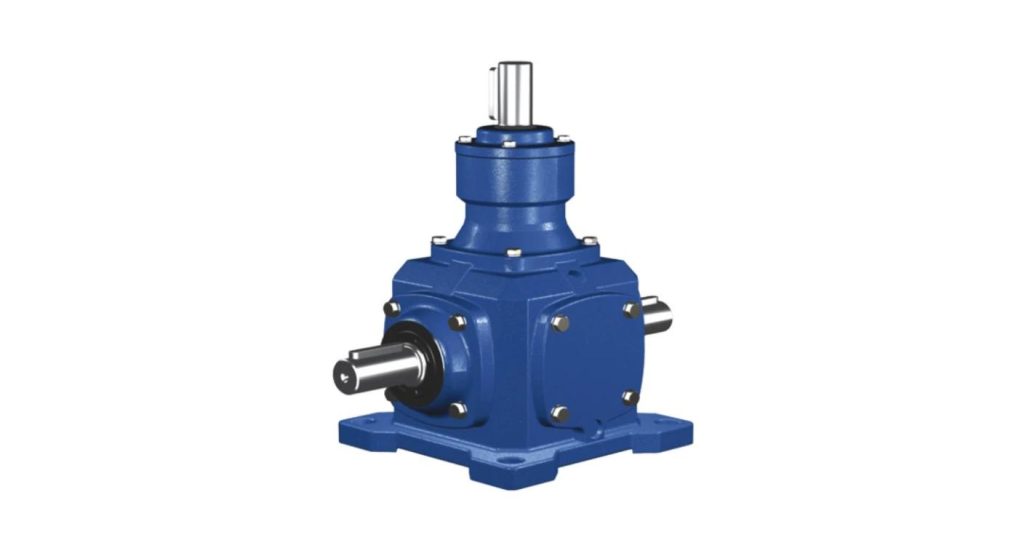
Mingye's Redutor de engrenagens cónicos espiral da série T offers the published ratios of 1:1 a 5:1. In 1:1 mode, the speed is not reduced, but direction is changed. Explicitly indicate which shaft is the driving one and the necessary speed ratio rather than assume that all products labeled reducers have equal reduction characteristics.
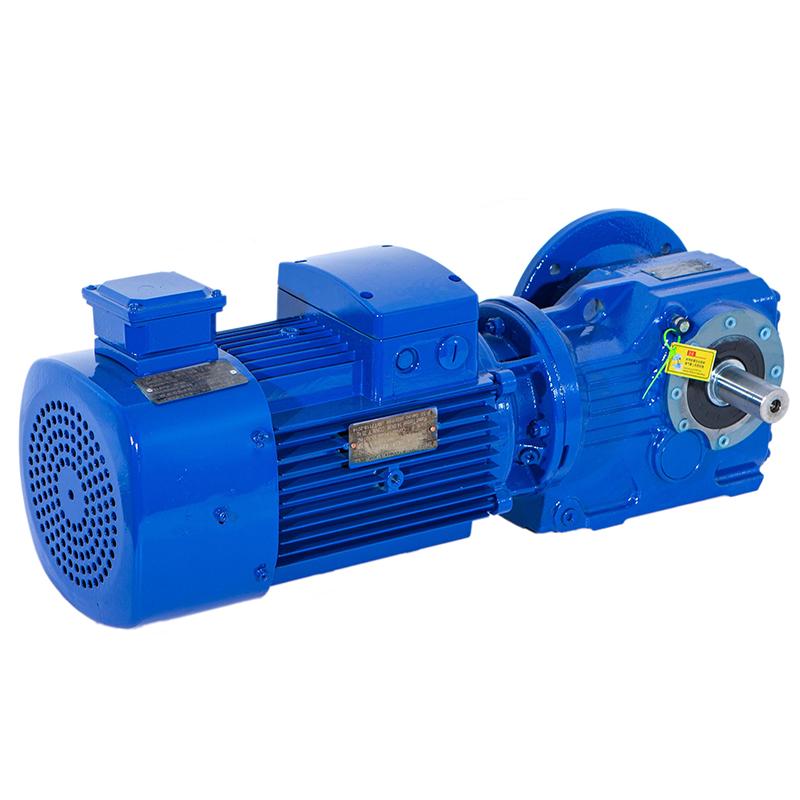
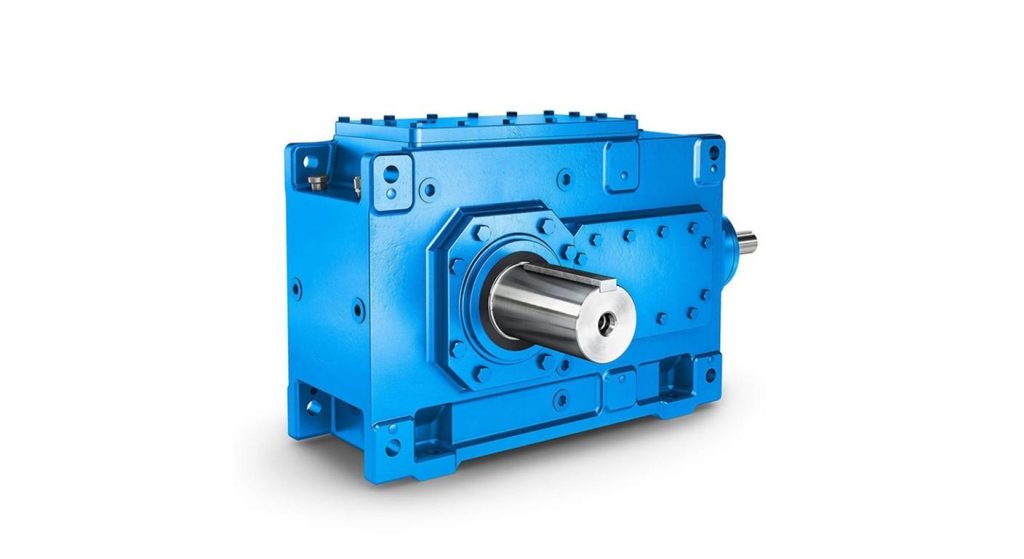
The K Series Helical Bevel Gear Motor is an integrated drive format which combines bevel and helical gearing. Mingye also explains that it has a B Series industrial gearbox, which comes with cylindrical and spiral bevel gearing, and multiple connections. Make comparisons between the options selected and drawings – do not use these families as alternative depictions of a single unit.
Make sure to begin with the first gear, Contact the Gears Must Maintain.
The geometry and relative position of a bevel gear pair is the key. Torque needs to flow through the shafts, bearings and housing without any loss of the tooth contact. Even the strongest of tooth materials cannot make up for misaligned teeth or insufficient support in the rest of the load path.
Explain the concept of normal torque, Torque de partida, torque reversals and shock loading. Add in time and frequency of peaks. A heavy workpiece which is accelerated repeatedly has a different load history than a conveyor which has steady material flow.
Inquire about the rating of proposed gearbox for that load history. If contact checks are part of an assembly inspection, explain the requirements and what is acceptable. An unloaded contact observation cannot be used as evidence that the entire transmission is able to meet all of the loaded operating requirements.
Read a Manufacturing Claim at Component Level
The manufacturing sequence of differential gear parts are available on Mingye's K-series product page and can be distinguished as housing, gear and gear shaft. It features housing aging and machining, cutting, carburação e têmpera, grinding and inspection of parts related to gears. This is more informative than just saying precision manufactured, describing the whole reducer.
Gear hardness is presented as 58-62HRC and Grade 6 gear accuracy is presented on the same page. Assume these are published information in the K-series which need confirmation for the given configuration. Inquire what characteristics in the components are covered with the hardness and what are the characteristics of standard and inspection which determine the accuracy grade.
A process summary is not a detailed manufacturing process for all of the tooth forms. In particular, don't presume that a general reference to hobbing refers to the cutting method for each spiral bevel part. Ask for the necessary process and scope of the inspection, where it is relevant for the project.
Locking in Housing Accuracy Helps to Maintain Gear Alignment
The housing defines the positions of bearing and the mounting references. Its dimensional relationships affect the position of the assembled shafts to each other. Assim, machining and inspection are important in addition to the gears teeth.
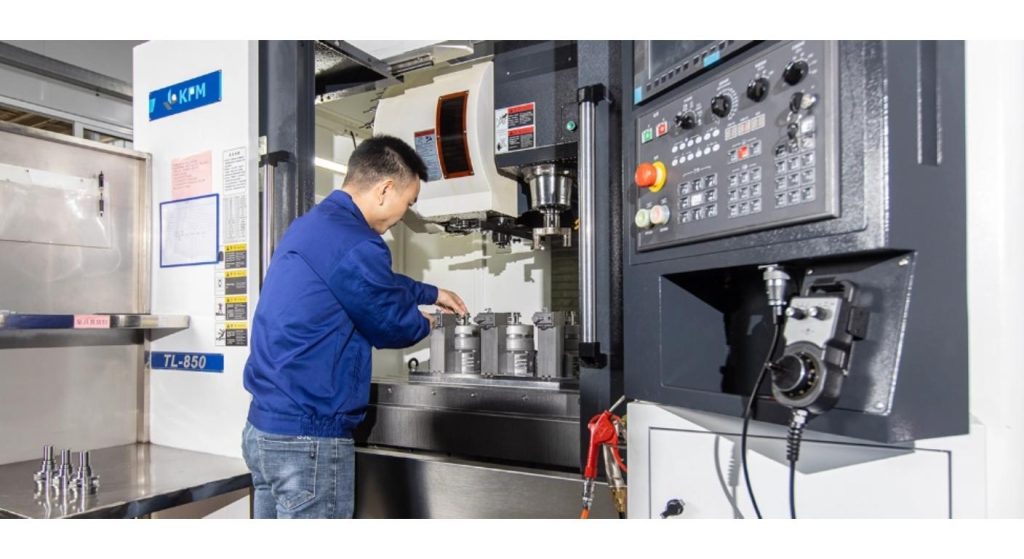
The manufacturing overview of Mingye is presented; the machining and coordinate measurement of gearbox housing are involved. These capabilities are relevant when talking about bearing bores, locating features and installation faces. Inquire about the parameters that are controlled by the selected reducer and what records can be provided with the order.
There should be no alteration of those relationships during installation. Possible loads not present during factory inspection can be caused by a distorted support plate or forced mounting. Before tightening the drive into machine, consult the mounting foundation, locating method and alignment instructions. Additional rigid limitations may not be desirable if they interfere with manufacturer's mounting system.
Provide separate review of Bearings and External Loads.
When using bevel gearing these internal forces are produced and have to be taken over by the bearing system. Additional radial or axial loads are provided by external pulleys, sprockets and attached mechanisms. Successful completion of the output-torque test does not necessarily mean that the bearings will be able to withstand all combinations.
Give the dimensions of the driven component and distance from the output support. Verify acceptable loads for that position (combined load positions). Whereas if the machine is its own bearings, explain how the coupling can allow for alignment while transmitting torque without creating unwanted forces.
Solid or hollow shaft connections (keyed, splined or expansion-disk) are available in Mingye's B Series industrial gearbox. These interfaces have varying preparation and installation details. Make a choice based on the connection that surrounds the load path and service needs of the machine and not appearance alone.
Do not link Ratio and Efficiency Claims to the Duty.
Determine the overall ratio needed from the input speed and desired output speed and determine actual available configuration. Additional reductions may result in variations in stage count, dimensions, Perdas, and input conditions permitted. It should not be selected just for the sake of greater torque multiplication for the theoretical reasons.
Mingye's bevel speed reducer ratio guide assists users to choose speed ratio for speed reducer based on the torque and limit requirements of the machine to ensure the stable operation of the speed reducer. Request efficiency data for the proposed stages, Velocidade, Carregar, lubricant and temperature. This headline efficiency value does not reflect the same level of performance for each of the configurations in a family.
Ensure that the lubrication and the service access is confirmed for mounting before final approval. Even when the gears are correctly manufactured, the specified lubricant supply, lubricant cooling conditions and installation enabling periodic inspection are required.
Agree on Evidence BEFORE Gearbox Ships
Set acceptance requirements when placing the order. Split up dimensions, characteristics of gears, assembled operation to make each document answer a specific question. Verify that any test is unloaded or loaded test and verify the test speed, duration and measurements.
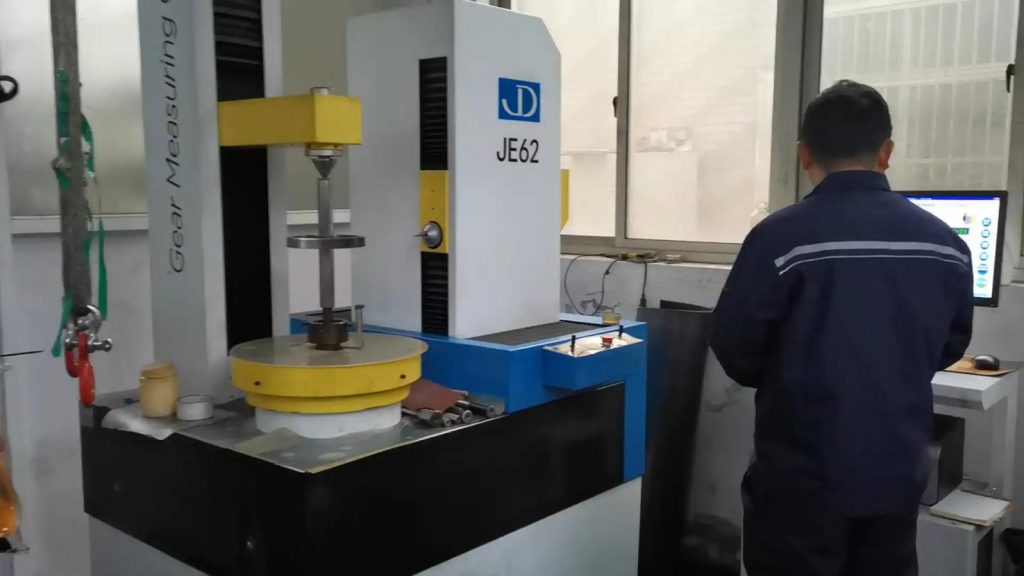
When re-ordering, keep the approved configuration, revision of drawing, interface details and inspection requirements. Review them if any of the following changes: Torque, Montagem, Velocidade do motor, or driven mechanism. Ordering information is consistent to help maintain the correlation between an approved sample and the produced sample.
| Acceptance Record | What It Establishes | What It Does Not Establish Alone |
| Dimensional report | Measured interface conformity | Loaded transmission behavior |
| Hardness report | Tested material condition | Tooth contact quality |
| Gear inspection report | Specified tooth characteristics | Complete machine accuracy |
| Running-test report | Results under recorded conditions | Performance beyond those conditions |
The bevel gear reducer provides a reliable performance with a full load path. With proper design, component tolerances, structural integrity, and significant tests of acceptance, published specifications have value at the machine, where the drive must perform.
Perguntas frequentes
Q1. Are all bevel gear reducers a reduction gear?
Não. 1:1 bevel gear unit provides 100% speed, but changes the direction of transmission. Verify the ratio, and identify the input shaft.
Q2. Can T, K and B series products be interchanged?
Não. They are different in terms of their construction, interfaces and provided drive arrangements. In the event of a replacement, check configuration-specific ratings and drawings prior to making the selection.
Q3. Is a high gear hardness a precondition for a quiet gearbox?
Não. Other factors that affect noise include the geometry, Precisão, Alinhamento, Suporte de apoio, lubrication and operating load of the tooth. Hardness has only part of the performance requirement covered.
4º trimestre. What about using output torque as the only criterion for bearing suitability?
Not, radial, axial and moment loading must be considered separately. Provide load position, load driven-component dimensions and torque.
Pergunta 5. What evidence does an OEM want to see during an inspection?
Agree on the dimension checks, gear inspection to be made, and assembled running-test conditions. Make sure what's included is confirmed before committing to an order, don't assume that all tests are standard.
Compartilhe nas redes sociais:


Entre em contato conosco
Neste artigo
Motor Engrenado em Ângulo Reto: Alimentação Elétrica Correspondente, Velocidade Variável e Frena
26 de outubro, 2026
Planejando uma instalação de redutor de bisel: Torne os requisitos do eixo para um layout prático de transmissão
26 de outubro, 2026
Escolha de uma caixa de engrenagens de guindaste aéreo pela função de içamento ou deslocamento
26 de outubro, 2026
Substituindo uma caixa de engrenagens de rosca para a indústria: O que manter e o que reavaliar
25 de outubro, 2026